Saturday, January 25, 2025

Can You Recondition Acid Batteries? Here's What You Need to Know

Can You Recondition Acid Batteries? Here's What You Need to Know

Can You Recondition Acid Batteries? Here's What You Need to Know

So, you've got an old, tired acid battery sitting around, and you're wondering if there's a way to bring it back to life. Maybe it's the one from your car, your motorcycle, or even your lawnmower. You've heard whispers about "reconditioning," and you're curious. Is it just a myth, or can you actually revive a dead battery?

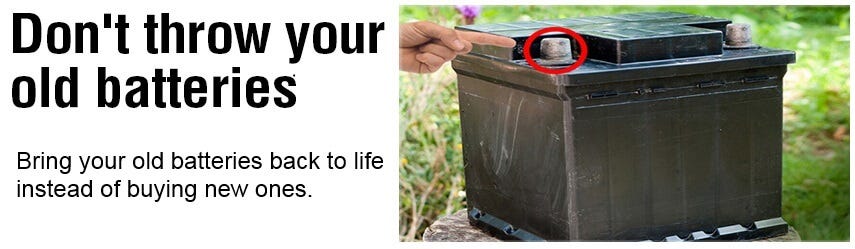
The short answer? **Yes, you can sometimes recondition acid batteries.** But it's not a guaranteed magic bullet. It takes a bit of knowledge, effort, and patience, and it's not always successful. In this guide, we'll dive deep into the world of acid battery reconditioning, explaining how it works, when it's worth trying, and what risks are involved.

Understanding How Lead-Acid Batteries Work

Before we dive into reconditioning, let's brush up on the basics of lead-acid batteries. These batteries, the kind most often found in cars, motorcycles, and lawnmowers, store energy through a chemical reaction involving lead plates and sulfuric acid.

When you charge a lead-acid battery, electricity flows through the battery, causing a chemical reaction that deposits lead sulfate on the plates. This creates a "charge" within the battery. When you discharge the battery (use the stored energy), the opposite reaction occurs, and the lead sulfate is converted back to lead and sulfuric acid, releasing energy.

Over time, lead sulfate crystals can build up on the plates, reducing the battery's ability to hold a charge. This is known as **sulfation**, and it's one of the main reasons why batteries eventually die.

The Process of Reconditioning an Acid Battery

Battery reconditioning is essentially an attempt to reverse the effects of sulfation. It involves a combination of:

  • Deep Discharging: The battery is completely discharged to break down the lead sulfate crystals.
  • Desulfation: Special techniques are used to remove the lead sulfate from the battery plates.
  • Recharging: The battery is recharged at a slower rate to allow the electrolyte to fully absorb the charge.

Reconditioning Methods

There are several methods of reconditioning acid batteries, but the most common ones involve:

  • Pulse Charging: A specialized charger sends short bursts of high-voltage current to the battery, effectively “shocking” the sulfated plates.
  • Desulfation Chemicals: Some products claim to break down lead sulfate crystals using specific chemicals, although their effectiveness is often debated.
  • Battery Equalizers: These devices continuously monitor and adjust the charge levels of individual cells within the battery, aiming to restore balance and extend the battery's life.
  • Boiling: This method involves heating the battery electrolyte, potentially breaking down sulfation, but it carries significant risks and is not recommended for most people.

When Reconditioning Might Be Worthwhile

So, when is it worth trying to recondition a battery? Here are some scenarios where it might be a good idea:

  • Battery is Relatively New: If the battery is under a year old and has lost some of its power, reconditioning might be worth trying. It's likely that the battery hasn't suffered extensive sulfation yet.
  • You Have a Spare Battery: If you have a battery that's not currently in use, you can experiment with reconditioning without worrying about it being your only option.
  • You're Willing to Take Risks: Reconditioning isn't guaranteed to succeed, and there's a risk of damaging the battery further. Proceed with caution and be prepared for potential failure.

When Reconditioning Is Not Recommended

On the other hand, there are times when reconditioning is simply not worth the effort or risk:

  • Battery is Severely Damaged: If the battery is physically damaged, has leaked, or has been frozen, reconditioning is unlikely to work.
  • Battery is Extremely Old: After several years, even with reconditioning, a battery's performance will likely be significantly diminished.
  • Battery is For a Critical System: If the battery powers something crucial like your car's starter system, don't risk reconditioning it. A failure could leave you stranded.
  • You Don't Have the Equipment: Reconditioning often requires specialized chargers and tools. If you don't have access to these, it's better to buy a new battery.

Safety Precautions for Reconditioning

Reconditioning acid batteries can be dangerous if not done properly. Here are some important safety tips:

  • Work in a Well-Ventilated Area: Acid battery fumes can be harmful to breathe. Always work in a well-ventilated space or outdoors.
  • Wear Protective Gear: Use gloves, goggles, and an apron to protect yourself from acid spills.
  • Avoid Direct Contact: Do not touch battery terminals or electrolyte with bare hands. Acid is corrosive.
  • Use Distilled Water: If you need to add water to the battery, use only distilled water. Tap water can contaminate the electrolyte.
  • Avoid Overcharging: Overcharging can damage the battery. Follow the instructions provided by the battery reconditioning equipment.
  • Keep Children and Pets Away: Acid batteries are dangerous to children and pets. Keep them out of reach at all times.

The Bottom Line: Is Reconditioning Worth It?

The answer to whether or not reconditioning an acid battery is worthwhile depends largely on your individual circumstances. If you have a newer battery with a slight loss of power and are willing to put in the effort and take the risks, reconditioning might be an option.

However, if the battery is old, damaged, or used in a critical system, it's usually best to simply buy a new one. Ultimately, the decision is yours. Weigh the potential benefits and risks before you decide to take on the project of reconditioning your acid battery.

Read More..

How to Recondition Lead-Acid Batteries and Save Money

How to Recondition Lead-Acid Batteries and Save Money

Reconditioning Lead-Acid Batteries: A Guide to Saving Money and Extending Their Lifespan

We've all been there: you're ready to start your car, turn the key, and…nothing. That dreaded clicking sound tells you one thing: your battery is dead. And the worst part? Replacing a car battery can cost a pretty penny. But hold on, there might be a solution! Before you rush out to buy a new one, consider the option of reconditioning your existing lead-acid battery. It might just save you some serious cash in the long run.

In this guide, we'll walk you through the process of reconditioning lead-acid batteries, covering everything from the basics of how they work to the different methods you can use to revive them. We'll also talk about the pros and cons of reconditioning, so you can make an informed decision about whether it's the right choice for you.

Think of it this way: you might have an old, rusty bike in your garage. With a little bit of TLC, you can restore it to its former glory. Similarly, with a bit of care and effort, you can breathe new life into your old battery. So, ready to get started? Let's dive in!

Understanding Lead-Acid Batteries

Let's first understand how lead-acid batteries work. Basically, they use a chemical reaction between lead plates and sulfuric acid to produce electricity. The plates are submerged in an electrolyte solution, which is a mixture of sulfuric acid and water. When you connect the battery terminals to a circuit, the chemical reaction starts, allowing electrons to flow and powering your car or other devices.

However, over time, the lead plates can become sulfated, a process where lead sulfate crystals build up on the plates. This buildup reduces the battery's capacity to store and release electricity. This is where reconditioning comes in handy.

Methods for Reconditioning Lead-Acid Batteries

There are a few methods for reconditioning lead-acid batteries. Here are some of the most popular ones:

1. The Desulfation Method

This method aims to break down the lead sulfate crystals that have formed on the plates. It involves charging the battery with a special charger that uses a low-voltage, high-ampere current. This forces the crystals to dissolve and allows the battery to regain its capacity.

There are a few ways to implement this method:

  • Using a Battery Desulfator: These devices are designed specifically for desulfation. They usually involve connecting the battery to a desulfator that applies a low-voltage, high-ampere current for a set period of time.
  • Manual Charging and Discharging: You can also try a more manual approach. First, fully charge the battery using a standard charger. Then, discharge it completely by connecting a load to the battery until it's empty. Repeat this cycle several times to help break down the sulfation.

2. The Pulse Charging Method

This method uses a series of short, high-energy pulses to break down the lead sulfate crystals. The pulses are designed to disrupt the crystal structure and release trapped ions.

Pulse charging is typically done with specialized pulse chargers that are available online. These chargers deliver a series of pulses at specific frequencies and durations.

3. The Equalization Charging Method

This method is usually employed on batteries that are part of a bank or system. It involves charging the battery at a higher voltage than normal for an extended period of time. The increased voltage helps break down sulfation and equalize the charge levels in all the cells within the battery bank.

However, this method can be risky if not done properly. It can damage the battery if the voltage or time is not controlled correctly.

Pros and Cons of Reconditioning Lead-Acid Batteries

Reconditioning can be a viable option, but it's essential to weigh the pros and cons before deciding. Here's a quick breakdown:

Pros:

  • Cost Savings: Replacing a battery can be expensive, especially for larger batteries like those used in cars or golf carts. Reconditioning can save you a significant amount of money.
  • Environmentally Friendly: Reconditioning reduces the number of batteries that end up in landfills, contributing to a more sustainable approach to battery management.
  • Potential to Extend Battery Life: Reconditioning can restore the battery's capacity and extend its lifespan, giving you more time before needing a replacement.

Cons:

  • Not a Guaranteed Fix: Reconditioning may not be successful for all batteries, especially those that are severely damaged or very old.
  • Time-Consuming: Reconditioning methods can take time, especially if you're doing it manually.
  • Requires Specific Equipment: You'll need specialized equipment like desulfators or pulse chargers for some methods.
  • Safety Precautions: Battery acid is corrosive. It's essential to take proper safety precautions and wear protective gear when working with batteries.

Tips for Reconditioning Lead-Acid Batteries

Here are some tips to help you get the most out of your reconditioning efforts:

  • Assess Battery Condition: Before you start, assess the battery's condition. Check for physical damage, corrosion, or leaks. If you notice any serious issues, it might not be worth reconditioning.
  • Use the Right Equipment: Choose a reconditioning method and ensure you have the necessary equipment. Don't use a standard battery charger for desulfation or pulse charging.
  • Follow Instructions Carefully: Follow the instructions provided with your equipment or in the reconditioning guide. Incorrect usage can damage the battery.
  • Take Safety Precautions: Always wear protective gear like gloves, goggles, and a respirator when working with batteries. Be mindful of the battery acid and avoid spilling it.
  • Maintain Battery: Once reconditioned, make sure to maintain your battery properly. Charge it regularly, and avoid deep discharges.

Conclusion: Reconditioning Your Way to Savings

Reconditioning lead-acid batteries can be a great way to save money and reduce waste. It's a cost-effective and environmentally friendly option that can help you get more life out of your batteries. Just remember to assess the condition of your battery, use the right equipment, follow safety precautions, and maintain the battery properly.

If you're ready to give your battery a second chance and save some cash, take a step toward reconditioning. You might be surprised at how much life you can get back into your old battery. Good luck, and happy reconditioning!

Read More..

Wednesday, November 20, 2024

How to Fix Your Battery and Avoid Overcharging Damage

How to Fix Your Battery and Avoid Overcharging Damage

How to Fix Your Battery and Avoid Overcharging Damage: A Guide to Battery Health

Okay, let's talk about batteries. Those little powerhouses that keep our phones, laptops, and everything else running. They're essential, but they can be a real pain, especially when they start acting up. We've all been there: the dreaded "low battery" warning pops up, and you're scrambling for a charger. But what if I told you that you could actually extend the life of your battery and avoid those frustrating "overcharged" moments? It's totally possible!

Think of your phone's battery as a car engine. You wouldn't want to drive your car on empty, right? Same goes for your phone. And you wouldn't want to keep your car engine revving at full throttle all the time, either. That's basically what overcharging does to your battery. It stresses it out and can shorten its lifespan. So, let's get into some tips and tricks to keep your battery happy and healthy.

Understanding Battery Basics

Let's dive a little deeper into the world of batteries. They're basically like tiny chemical factories, converting stored chemical energy into electrical energy. Every time you use your phone, you're using up that chemical energy. And just like any factory, your battery has a limited capacity. The more you use it, the more it wears down.

But it's not just about how often you use it. The way you charge it can also have a huge impact on its lifespan. That's where overcharging comes in.

The Dangers of Overcharging

Think of overcharging as a kind of battery stress. When you leave your phone plugged in after it's fully charged, you're essentially keeping that battery factory running at full capacity, even though it doesn't need to be. This constant strain can lead to several problems:

  • Battery Degradation: Over time, overcharging can cause your battery to lose its ability to hold a charge. You'll notice your phone dying faster, even after a full charge.
  • Battery Swelling: In some cases, overcharging can cause the battery to swell up. This can be a safety hazard, as it can potentially damage your phone or even catch fire.
  • Reduced Battery Life: Overcharging simply puts extra stress on your battery, leading to a shorter overall lifespan.

It's not always about keeping your phone plugged in for hours. Even leaving your phone plugged in overnight can contribute to overcharging, especially if your charger isn't smart enough to recognize when your battery is full.

How to Avoid Overcharging Damage

Now that you understand the dangers, let's get into the good stuff: how to protect your battery. It's all about finding a happy medium â€" using your phone and charging it without putting unnecessary stress on the battery.

1. Use a Smart Charger

A smart charger is your best friend! These chargers are designed to stop charging your phone once it reaches 100%. This helps prevent the constant overcharging that can shorten your battery life. Most newer phones and chargers come with this feature, but it's always a good idea to check.

2. Don't Leave Your Phone Plugged in Overnight

This one seems obvious, but it's a common habit. It's best to unplug your phone once it's fully charged. Even if you have a smart charger, it's still good practice to avoid leaving it plugged in for extended periods.

3. Optimize Your Charging Habits

Instead of waiting until your phone is completely dead to charge it, try to top it off when it's around 20-30% charged. This "topping off" method helps minimize stress on the battery.

4. Avoid Extreme Temperatures

Just like you wouldn't leave your car parked in the desert or the arctic, your phone's battery doesn't like extreme temperatures either. Heat and cold can damage the battery and shorten its lifespan. Keep your phone in a cool, dry place when you're not using it.

5. Turn Off Background Apps

Background apps can drain your battery faster, even if you're not using them. Take a look at your app settings and turn off any unnecessary background processes. This can help save your battery life and reduce strain on it.

6. Reduce Screen Brightness

A brighter screen means more battery power used. Adjust your screen brightness to a comfortable level, especially when you're not in direct sunlight. You'll be surprised how much battery life you can save.

What About Battery Calibration?

You might have heard of battery calibration, where you completely drain and then fully charge your phone. The idea is to reset the battery's charge level and improve performance. While this used to be more common with older phone models, it's not really necessary for newer phones. Modern battery management systems are pretty sophisticated and can handle calibration on their own.

When to Replace Your Battery

Even with the best practices, batteries eventually wear out. If you notice your phone dying quickly, even after a full charge, it's probably time for a new battery. Most phone manufacturers offer replacement batteries, or you can find them online. Just make sure to buy from a reputable source.

Conclusion

Taking care of your phone's battery is a simple yet crucial way to keep your phone running smoothly and for longer. By avoiding overcharging and following these simple tips, you can make a world of difference. So, go forth, charge wisely, and enjoy a longer-lasting phone!

Read More..

Wednesday, November 13, 2024

How to Fix and Restore Your Lead-Acid Battery for Use in Boats or RVs

How to Fix and Restore Your Lead-Acid Battery for Use in Boats or RVs

Restoring and Rejuvenating Lead-Acid Batteries for Marine and RV Use

Lead-acid batteries, despite their age, remain a mainstay power source for marine and recreational vehicle (RV) applications. Their robust construction, affordability, and relatively high discharge capacity make them a reliable choice for powering essential systems like engines, navigation equipment, and onboard amenities. However, these batteries are susceptible to degradation over time, experiencing reduced capacity, slower charging rates, and even premature failure. This article outlines a comprehensive approach to revitalizing your lead-acid batteries, extending their lifespan, and ensuring reliable power for your marine or RV adventures.

Understanding Lead-Acid Battery Degradation

Lead-acid batteries consist of lead plates immersed in an electrolyte solution of sulfuric acid. During discharge, a chemical reaction occurs, converting lead sulfate on the plates. As the battery discharges, the concentration of sulfuric acid in the electrolyte decreases. Several factors contribute to battery degradation, including:

Sulfation

When a lead-acid battery is left in a partially discharged state for an extended period, lead sulfate crystals can form on the plates. These crystals hinder the flow of electrical current, reducing the battery's capacity and charging efficiency. Sulfation is a primary cause of battery degradation and can lead to irreversible damage if left unchecked.

Corrosion and Sedimentation

Over time, the lead plates within the battery can corrode, reducing their surface area and conductivity. Additionally, lead sulfate crystals and other impurities can settle at the bottom of the battery, forming a sediment layer that further impedes current flow.

Electrolyte Loss

Lead-acid batteries typically have vented caps that allow for the release of gases during charging. Over time, water can evaporate from the electrolyte, decreasing its concentration and reducing battery performance. This loss of electrolyte can also lead to increased internal resistance, further impacting battery efficiency.

Signs of a Degraded Battery

Recognizing the signs of a degrading battery allows for timely intervention and potential restoration. Pay attention to the following indicators:

  • Reduced cranking power: A sluggish engine start, especially in cold weather, indicates a weakened battery.
  • Dimming lights: Faded lights, especially when the engine is running, suggest a battery struggling to maintain its charge.
  • Frequent charging: The need to recharge the battery more often than usual points to a declining capacity.
  • Swelling or bulging: A distorted battery case could indicate internal pressure buildup from gas generation or electrolyte loss.
  • Corrosion or leaks: Visible corrosion around the battery terminals or leakage of electrolyte indicates a potential for internal damage.

Restoring Lead-Acid Batteries: Techniques and Procedures

While restoration methods are not guaranteed to revive a completely dead battery, they can effectively extend the life of batteries showing signs of degradation. Here are some proven techniques:

Desulfation and Equalization Charging

This method involves using a specialized charger with a desulfation mode to break down the lead sulfate crystals that have formed on the battery plates. The charger typically delivers high-amplitude pulses of electricity, which help to dissolve the crystals and restore the battery's capacity. Equalization charging, a long and slow charging process, can also help to desulfate the battery. It involves charging the battery at a higher voltage than normal for an extended period, allowing the electrolyte to reach its maximum concentration.

Battery Cleaning and Maintenance

A clean battery is essential for optimal performance. Regularly inspect the battery terminals for corrosion and clean them with a wire brush or baking soda paste. Use a battery cleaning solution to remove any dirt or grime from the battery case and vent caps. Ensure the battery is securely mounted and properly ventilated.

Electrolyte Topping Up

For flooded lead-acid batteries, regularly check the electrolyte level and add distilled water as needed. The electrolyte should cover the plates by at least an inch. Avoid adding acid, as this can damage the battery. For sealed batteries, topping up is generally not possible, but regular inspection for any leakage or swelling is crucial.

Battery Exercise

Regularly deep-cycling the battery can help prevent sulfation and maintain its capacity. Deep cycling involves discharging the battery to about 50% of its capacity and then fully recharging it. This process helps to keep the lead plates active and prevents the buildup of lead sulfate crystals.

Choosing the Right Battery Charger

The effectiveness of battery restoration techniques relies heavily on the quality of the battery charger used. Opt for a charger specifically designed for lead-acid batteries and that features:

  • Desulfation mode: A specialized mode that applies high-amplitude pulses to break down lead sulfate crystals.
  • Equalization charging: A mode that charges the battery at a higher voltage for an extended period, maximizing the electrolyte concentration.
  • Amperage control: The ability to adjust the charging current to match the battery's capacity and ensure proper charging.
  • Automatic shutoff: A safety feature that prevents overcharging and potential damage to the battery.

Precaution and Safety Tips

Battery restoration involves working with potentially hazardous chemicals and electrical currents. Take the following precautions:

  • Wear protective gear: Always wear eye protection, gloves, and appropriate clothing to protect yourself from splashes or accidental contact with acid.
  • Work in a well-ventilated area: Lead-acid batteries release hydrogen gas during charging, which is flammable and explosive. Ensure adequate ventilation to prevent the buildup of dangerous gas concentrations.
  • Avoid sparks: Keep open flames or electrical sparks away from the battery as hydrogen gas is highly flammable.
  • Disconnect battery terminals: Always disconnect the battery terminals from the vehicle or equipment before performing any maintenance or restoration procedures.
  • Follow charger instructions: Carefully read and follow the instructions provided with the battery charger to avoid damaging the battery or causing injury.

When Battery Replacement is Necessary

While battery restoration techniques can extend the life of lead-acid batteries, there are instances where replacement is the only option. Consider replacement if:

  • Excessive swelling or bulging: Indicates severe internal damage and potential for leakage.
  • Persistent corrosion or leaks: Signals a compromised case and potential for electrolyte spills.
  • Significant capacity loss: If the battery consistently fails to hold a charge or provide adequate power for the intended application.
  • Battery age: Lead-acid batteries have a typical lifespan of 3-5 years. If your battery is nearing the end of its expected life, replacement might be the most cost-effective solution.

Conclusion

Restoring and rejuvenating lead-acid batteries can significantly extend their lifespan, providing reliable power for your marine or RV adventures. By understanding the factors that contribute to battery degradation, implementing effective restoration techniques, and using the right tools, you can maximize the performance and longevity of your batteries. Remember to prioritize safety and always follow the manufacturer's recommendations for both battery maintenance and charging procedures. For situations involving severe damage or persistent issues, opting for a new battery might be the most practical solution.

Read More..

Reconditioning NiCad Batteries: Step-by-Step Instructions

Reconditioning NiCad Batteries: Step-by-Step Instructions

Reconditioning NiCad Batteries: A Step-by-Step Guide

Nickel-cadmium (NiCad) batteries are known for their durability and ability to withstand deep discharges. However, over time, their capacity can degrade, leading to shorter runtimes and a decline in performance. If you have old NiCad batteries that are no longer holding a charge, you might be able to revive them with a reconditioning process. Here's a comprehensive guide that will walk you through the process, step-by-step.

Understanding NiCad Battery Reconditioning

NiCad batteries, unlike lithium-ion batteries, have a memory effect, where the battery remembers its typical discharge level. This means that if you consistently discharge the battery only partially, it may learn to hold only that reduced charge. Reconditioning aims to break this memory effect and restore the battery's full capacity.

Safety Precautions

Before embarking on any battery reconditioning process, it's crucial to prioritize safety. NiCad batteries can potentially release hydrogen gas, which is flammable, during the reconditioning process. Therefore, you should always:

  • Work in a well-ventilated area.
  • Avoid open flames or sparks.
  • Never leave the battery unattended during the process.
  • Wear appropriate eye and hand protection.

Reconditioning NiCad Batteries: The Process

Step 1: Discharging the Battery Completely

Connect the battery to a device that draws a significant amount of current, like a drill, power tool, or a high-wattage light bulb. Let the battery discharge completely until it stops working. You can tell it's completely discharged when the device powered by the battery stops functioning.

Step 2: Reverse Charging

This is the crucial step that breaks the battery's memory. Reverse charging involves applying a reversed current to the battery for a short duration. This process can be done using a specialized battery charger with a reverse charging option. If you don't have such a charger, you can build a simple circuit with a variable power supply, ensuring the current and voltage are appropriate for your battery pack.

Important Note: Reverse charging should only be done for a short period, typically 15-30 minutes. Prolonged reverse charging can damage the battery.

Step 3: Deep Discharge

After reverse charging, discharge the battery fully once again, using the same method as in Step 1. This step further helps to clear the memory effect.

Step 4: Normal Charging

Finally, charge the battery fully using a standard NiCad charger. The charging process should take longer than usual, as the battery is recovering its full capacity.

Post-Reconditioning Usage

After reconditioning, avoid partially discharging the battery. Instead, try to use it until it's completely discharged. This will help to prevent the memory effect from returning. Repeat the reconditioning process if you notice a decline in battery performance in the future.

Important Notes

While this guide provides a general framework, the specific charging and discharging times might vary depending on the battery's capacity and the tools you are using. Always consult the battery manufacturer's recommendations for specific charging and discharging parameters.

Remember that reconditioning doesn't guarantee a full recovery of the battery's original capacity. The age and condition of the battery play a significant role in its responsiveness to reconditioning. However, this process can be an effective way to extend the lifespan of older NiCad batteries, saving you money and reducing electronic waste.

Read More..

How Reconditioning Lead-Acid Batteries Can Save You Time and Money

How Reconditioning Lead-Acid Batteries Can Save You Time and Money

Reconditioning Lead-Acid Batteries: Save Time and Money

We all know the feeling. You’re rushing to get somewhere, you crank the ignition, and… nothing. The dreaded click-click-click of a dead battery. If you're like most people, your first thought is probably, "Ugh, I need a new battery!" But hold on a minute. Before you shell out the cash for a brand new one, let's explore the world of lead-acid battery reconditioning! Reconditioning can give your old battery a new lease on life, saving you a significant amount of money and extending its lifespan. It's like giving your battery a spa day - and it's definitely worth a shot before you toss it out.

It's true that lead-acid batteries have a finite lifespan. They're not magic, after all! Over time, their internal components naturally degrade, and their ability to hold a charge diminishes. But just because your battery is old doesn't mean it's completely done for. A surprising number of lead-acid batteries can be revived and brought back to life, saving you time and money.

Here's a quick rundown of the benefits:

Why Reconditioning Rocks

  • Save Money: The cost of a new battery can be a real budget buster, but reconditioning is typically far cheaper than buying new. You're essentially giving your old battery a second chance, extending its life and delaying the need for a replacement.
  • Extend Battery Life: A reconditioned battery can last for a surprisingly long time, even years, depending on how well it's maintained. It's like adding extra years to your car's life!
  • Environmentally Friendly: By reconditioning your battery, you're keeping it out of landfills. Lead-acid batteries contain hazardous materials, and reducing their disposal helps protect the environment.
  • Peace of Mind: Reconditioned batteries can perform just as well as new ones, so you can have confidence that you're not compromising on reliability.

But wait, you might be asking, "How can I possibly bring an old, tired battery back to life?" The answer, my friend, lies in the art and science of battery reconditioning.

The Magic of Battery Reconditioning

Reconditioning lead-acid batteries isn't rocket science, but it does require some specific steps and tools. Here's a simplified explanation:

The Process

  • Desulfation: Lead-acid batteries lose power due to lead sulfate buildup on the plates. Desulfation is the process of breaking down this buildup using specific methods, such as charging with low current or using a desulfation machine.
  • Charging: Once the battery is desulfated, it needs a good charge to bring it back to its full capacity. This typically involves a slow, controlled charge process.
  • Testing: After charging, it's crucial to test the battery to ensure it holds a charge and can deliver the required power. This often involves using a battery tester or performing a load test.
  • Maintenance: Once reconditioned, the battery should be maintained properly to prevent sulfation from recurring. This includes regular topping up with distilled water, keeping the terminals clean, and avoiding deep discharges.

DIY or Pro?

You might be thinking, "Can I do this myself?" The answer depends on your comfort level with tools and electronics. Reconditioning a battery can be done at home with the right equipment, but it does require some technical know-how. If you're not comfortable working with electricity or unsure about the process, it's best to take your battery to a professional reconditioning service. They have the tools and experience to do the job right, ensuring your battery is revived safely and effectively.

Finding a Battery Reconditioning Service

If you decide to go the professional route, finding a reputable battery reconditioning service is key. Here's how to choose a good one:

  • Research online: Check out online reviews and testimonials from previous customers to get an idea of their quality and service.
  • Ask for recommendations: Talk to your local mechanic or other car enthusiasts for their recommendations.
  • Check their credentials: Ensure the service has experience in battery reconditioning and uses safe and effective methods.

What About You?

So, there you have it! Reconditioning lead-acid batteries is a great way to save money and extend the life of your existing battery. It's an eco-friendly option that can give your car a boost and help your wallet smile.

Whether you decide to tackle the reconditioning yourself or go with a professional, it's a decision worth considering before you automatically jump to buying a new battery. You might just be surprised at how much life is left in your old battery!

Read More..

Expert Tips for Reconditioning NiCad Batteries and Saving Money

Expert Tips for Reconditioning NiCad Batteries and Saving Money

Expert Tips for Reconditioning NiCad Batteries and Saving Money

Hey there, battery enthusiasts! Are you tired of throwing away those old NiCad batteries? Well, hold on to your chargers because we're about to dive into the fascinating world of battery reconditioning. You might be surprised to learn that you can actually breathe new life into your tired NiCad batteries and save a pretty penny in the process. This article will guide you through the steps, tips, and tricks to get those batteries running like new again.

Understanding NiCad Batteries

Let's start by getting a little bit familiar with NiCad batteries. These batteries, short for Nickel-Cadmium, are known for their durability and ability to withstand high discharge rates. They're often found in power tools, cordless phones, and even some toys. But like all batteries, they eventually lose their capacity over time, leading to shorter runtimes and frustrating performance.

The good news is that NiCad batteries can be reconditioned to restore their performance. This process involves a series of charging and discharging cycles that help to break up the internal crystal formations that build up over time and reduce the battery's capacity.

Safety First: Important Precautions

Before we jump into the reconditioning process, it's crucial to understand the importance of safety. NiCad batteries can release flammable gases during charging and discharging, so it's essential to work in a well-ventilated area. Avoid any open flames or sparks near your batteries.

Here are some key safety tips to keep in mind:

  • Always use a dedicated NiCad battery charger.
  • Never attempt to charge a damaged or leaking battery.
  • Ensure the charger and batteries are compatible.
  • Don't leave batteries charging unattended for long periods.
  • Wear gloves and eye protection during handling.

The Reconditioning Process: Step-by-Step Guide

Now, let's get down to the nitty-gritty of reconditioning NiCad batteries. Here's a step-by-step guide that will lead you through the process:

Step 1: Deep Discharge

The first step is to fully discharge the batteries. This can be done by using a high-drain device like a power tool or by connecting the battery pack to a resistor for a few hours. The idea is to completely drain the battery's energy. You can also use a specialized NiCad battery discharger.

Step 2: The "Hot Soak" Method

After a deep discharge, the next step is the "hot soak." This involves immersing the battery pack in warm water (not hot!) for about 15-20 minutes. This helps to break up the crystal formations and improve the battery's internal conductivity.

Step 3: Initial Charge

Now, it's time for the initial charge. Connect the batteries to a dedicated NiCad charger and charge them until they're fully charged. This may take longer than a typical charge, so don't be alarmed. The charger's indicator will tell you when the batteries are fully charged.

Step 4: Repeat Steps 1-3

The key to successful reconditioning is repetition. Repeat the process of deep discharge, hot soak, and initial charge several times. Three to five cycles are generally recommended for optimal results. This will help to ensure that the battery is fully reconditioned and its capacity is restored.

Step 5: Test and Enjoy!

After completing the reconditioning process, it's time to test your rejuvenated batteries. Put them back into your device and see how they perform. You should notice a significant improvement in their runtime and overall performance.

Expert Tips for Success

Here are some extra tips to help you get the best results from your NiCad battery reconditioning efforts:

  • Choose the right charger: Make sure you use a charger specifically designed for NiCad batteries. Using a charger that's not compatible can damage your batteries.
  • Keep it clean: Before you start, make sure your batteries are free of dirt and grime. Wipe them down with a clean cloth.
  • Store properly: After reconditioning, store your batteries in a cool, dry place. Avoid extreme temperatures and moisture.
  • Don't overcharge: Never leave NiCad batteries on charge for an extended period after they're fully charged. This can lead to damage and reduce their lifespan.
  • Patience is key: Reconditioning takes time. Be patient and follow the steps carefully. You'll be rewarded with a set of batteries that will keep your devices running longer.

When Reconditioning May Not Be Worth It

While reconditioning can be a great way to extend the life of your NiCad batteries, it's not a magic bullet. If your batteries are severely damaged, leaking, or have significantly deteriorated over time, reconditioning may not be the most effective solution. In these cases, it's best to consider replacing them with new batteries.

The Benefits of Reconditioning

Reconditioning your NiCad batteries offers several benefits, including:

  • Extended lifespan: Give your old batteries a second chance and enjoy longer runtimes.
  • Cost savings: Save money by avoiding the expense of purchasing new batteries.
  • Environmental friendliness: Reduce e-waste by giving your batteries a new lease on life.
  • Reduced reliance on new batteries: Contribute to a more sustainable lifestyle by extending the life of your existing batteries.

Conclusion: A DIY Solution for Your Battery Needs

Reconditioning NiCad batteries is a great way to save money, extend the life of your devices, and do your part for the environment. By following these tips and safety precautions, you can easily restore your batteries to their former glory. So, next time you encounter a tired set of NiCad batteries, don't reach for the trash bin just yet. Give them a second chance and see how much longer they can keep your devices running!

Read More..